
"arabica Puerto Rico"
200 article(s) found

The flavor and taste of Puerto Rico coffee manor introduce the characteristics of Puerto Rico coffee
In 1736, the first coffee tree was introduced to Puerto Rico from Martinique. Since then, Puerto Rico has become the base for producing the highest quality coffee in the world. The unique taste chosen by Yaocote has also become the object of admiration of coffee experts all over the world. Most of the earliest coffee trees were planted by immigrants from Corsica. About 160 years later, the coffee industry in Puerto Rico has emerged

Coffee bean producing area Puerto Rico coffee beans in the Caribbean
Well-known representative coffee: Yauco) it is generally believed that the original coffee tree species of Puerto Rico was brought to Martinique Island (French West Indies in the Caribbean) by the French in 1723 and was quickly introduced to Puerto Rico in 1736. Due to the mountainous environment and suitable climate and soil, it soon became a major export to Europe. Among them

The coffee beans of Puerto Rico in America have the characteristics of pure taste, aroma and heavy grain.
In 1736, coffee trees were introduced from Martinique to Puerto Rico (Puertp Rico). Most of the early coffee was grown by immigrants from Corsica. By 1896, Puerto Rico was the sixth largest exporter of coffee in the world, with most coffee shipped to France, Italy, Spain and Cuba. Coffee farms were once numerous in the 19th century

Puerto Rico, the coffee producer that grows this old variety of Arabica coffee beans
Grow some old varieties of Arabica coffee beans, although the yield is lower than other varieties, but generally of high quality. People here have been using an ecological and intensive planting method, using only some low-toxic fertilizers and chemicals, and taking mixed crop planting measures to make the soil more fertile. When it's time to pick coffee beans, people go back and forth among the coffee trees

Puerto Rican coffee producing area Puerto Rico coffee bean flavor
Coffee trees were introduced to Puerto Rico (PuertoRico) from Martinique in 736. Most of the early coffee was grown by immigrants from Corsica. Coffee farms were once prosperous in the 19th century, but the rise of sugarcane and crop farming and the impact of hurricanes and wars made the coffee industry lag behind and is now recovering. The origin of coffee in Puerto Rico: Puerto Rico is the most

The King's Coffee-Puerto Rico Yaoke Coffee
Puerto Rico, originally an Indian settlement, was discovered during Columbus's second trip to the American continent. The Republic of Puerto Rico was established after the people's armed uprising in 1950, but it has always been a federation of the United States, and its residents have the status of United States citizens.

Aromatic Puerto Rico Manor Coffee Flavor Description Processing Grindness Taste Introduction
Coffee trees were introduced to Puerto Rico from Martinique in 1736. Early coffee was mostly grown by immigrants from Corsica. By 1896, Puerto Rico was the sixth largest coffee exporter in the world, with most going to France, Italy, Spain and Cuba. Coffee plantations flourished in the 19th century, but sugar cane and drug cultivation flourished.

Puerto Rico Yuko Special AA | Yuko Special selection is the best coffee produced in the world.
Although Puerto Rico coffee has the ideal natural conditions for growing coffee, the coffee industry has been in the doldrums since 1898. In the 1980s, the production of the finest boutique coffee began. Yukot selected is a representative coffee, which is not inferior to Jamaica's Blue Mountain. It is a kind of coffee rich in wild flavor. Although the popularity of Puerto Rican coffee
Coffee history Coffee trees were introduced to Puerto Rico from Martinique
Coffee trees were introduced to Puerto Rico from Martinique in 1736. Early coffee was mostly grown by immigrants from Corsica. By 1896, Puerto Rico was the sixth largest coffee exporter in the world, with most going to France, Italy, Spain and Cuba. Coffee plantations flourished in the 19th century, but sugar cane and drug cultivation rose

Unique flavor of Puerto Rico fine coffee beans Flavor Aroma Description Introduction
The people here have been using an eco-friendly, intensive cultivation method, picking only fully ripe beans and then rinsing them in a roller for 48 hours. Yocote Select coffee beans are kept in sheepskin shells until they are marketed and removed when ordered to ensure optimum freshness. At the time of the transaction, the United States government's relevant
Puerto Rico San Pedro Manor Coffee beans
Puerto Rico Puerto Rico San Pedro Manor Coffee beans Puerto Rico's new farm coffee is a mild, supple, well-balanced island bean with a charming single malt aroma, extremely sweet when sipped in a cup, and medium-roasted creamy and greasy texture that is often suitable for Puerto Rico island beans. The whole history of coffee in the Caribbean and Xiban

Puerto Rico Yaoke Coffee in the Central and Southern Coffee producing areas
In 736, the first coffee tree was introduced to Puerto Rico from Martinique. Since then, Puerto Rico has become the base for producing the highest quality coffee in the world. The unique taste chosen by Yaocote has also become the object of admiration of coffee experts all over the world. Most of the earliest coffee trees were planted by immigrants from Corsica. About 160 years later, the coffee industry in Puerto Rico has emerged

Introduction to Puerto Rico Fine Coffee Bean Yaocote Coffee Bean production area of Puerto Rico Larez Coffee Manor
Yaocote chose coffee beans to be preserved in shells before they were shipped, and the skins were not removed until the order was shipped to ensure the best freshness of the coffee. Relevant U.S. government staff, such as FDA and USEA, will also be present when the goods are submitted, and they work to monitor producers' compliance with federal regulations. There are also some staff from the local evaluation board, who are from
Boutique Coffee Coffee from Puerto Rico
In 1736, coffee trees were introduced from Martinique to Puertp Rico. Most of the early coffee was grown by immigrants from Corsica. By 1896, Puerto Rico was the sixth largest exporter of coffee in the world, with most coffee shipped to France, Italy, Spain and Cuba. Coffee farms flourished in the 19th century, but the rise of sugarcane and drug farming

Puerto Rico Yaoke Coffee with unique Taste introduce boutique coffee beans Larez Yaoke coffee
In 1736, the first coffee tree was introduced to Puerto Rico from Martinique. Since then, Puerto Rico has become the base for producing the highest quality coffee in the world. The unique taste chosen by Yaocote has also become the object of admiration of coffee experts all over the world. Most of the earliest coffee trees were planted by immigrants from Corsica. About 160 years later, the coffee industry in Puerto Rico has emerged

Introduction to the characteristics of coffee flavor description in San Pedro Manor, Puerto Rico
In 1898, the Spanish-American War broke out and Spain was defeated. According to the Treaty of Paris, Puerto Rico was ceded to the United States. The administrative jurisdiction of the United States over Puerto Rico first took the form of a military junta. During its two years of governance of the island, the junta established schools, roads, railways, hospitals and health facilities. In 1900, the United States Congress established civilian control over the island. The Governor, the Cabinet and
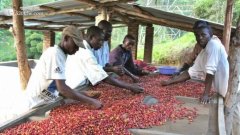
Boutique coffee beans knowledge coffee origin Puerto Rico
In 1736, coffee trees were introduced from Martinique to Puertp Rico. Most of the early coffee was grown by immigrants from Corsica. By 1896, Puerto Rico was the sixth largest exporter of coffee in the world, with most coffee shipped to France, Italy, Spain and Cuba. Coffee farms flourished in the 19th century, but the rise of sugarcane and drug farming

The Origin of Fine Coffee-- Puerto Rico Fine Coffee
In 1736, coffee trees were introduced from Martinique to Puertp Rico. Most of the early coffee was grown by immigrants from Corsica. By 1896, Puerto Rico was the sixth largest exporter of coffee in the world, with most coffee shipped to France, Italy, Spain and Cuba. Coffee farms flourished in the 19th century, but the rise of sugarcane and drug farming

The origin of coffee is Puerto Rico
In 1736, coffee trees were introduced from Martinique to Puertp Rico. Most of the early coffee was grown by immigrants from Corsica.
Global coffee producing area Puerto Rico coffee market
In 1736, coffee trees were introduced from Martinique to PuertoRico. Most of the early coffee was grown by immigrants from Corsica. Coffee farms were once prosperous in the 19th century, but the rise of sugarcane and crop farming and the impact of hurricanes and wars made the coffee industry lag behind and is now recovering. The origin of coffee in Puerto Rico: Puerto Rico is the most